
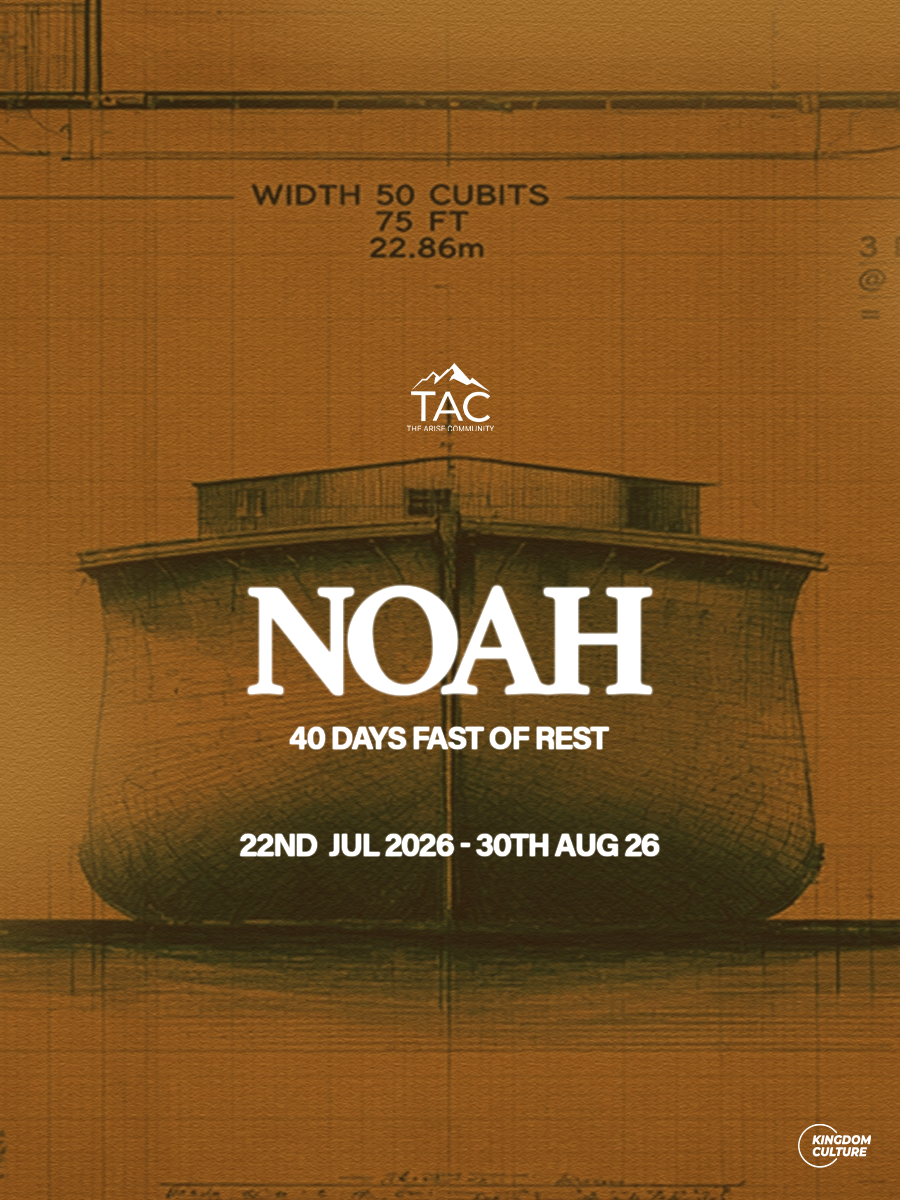
The Importance of Fasting
Introduction
Fasting is one of the oldest spiritual practices in Scripture, yet it's often one of the most misunderstood. For some, it sounds intimidating,almost like something that is reserved for those who are ‘spiritually elite’ For others, it's easy to overlook altogether in a culture that rarely encourages going without. But fasting has always held an important place in the life of faith, and it still has something vital to offer us today. This post looks at what fasting actually is, how we're called to practice it, and why Scripture points us toward it repeatedly.
What Is Fasting?
At its simplest, fasting is voluntarily abstaining from food, andsometimes other things we depend on, or a set period of time, in order to seek God more intentionally. It isn't a diet plan, a health trend, or an act of self-punishment. It's a spiritual discipline: a deliberate setting-aside of something we normally rely on, so that our attention and hunger are redirected toward Him.
Fasting shows up throughout the Bible — from Moses on Mount Sinai, to Esther calling her people to fast before she approached the king, to Jesus fasting forty days in the wilderness before beginning His ministry. It wasn't rare or optional for the faithful; it was almost a rite of passage for God’s chosen people.
How Do We Fast as Christians?
Jesus speaks directly about how His followers should fast in Matthew 6. “When you fast, do not look somber as the hypocrites do… but when you fast, put oil on your head and wash your face, so that it will not be obvious to others that you are fasting, but only to your Father, who is unseen” (Matthew 6:16-18).
Notice the wording: Jesus says “when you fast,” not “if you fast.” He doesn't present fasting as optional for those who feel especially spiritual — He assumes it as a normal, expected part of the Christian life, in the same way He says “when you pray” and “when you give” earlier in the same chapter. Fasting isn't reserved for the exceptionally devoted; it's a discipline every believer is called to practice.
In addition fasting isn't a performance. It's not about looking spiritual or earning admiration, not even our own approval of ourselves. It's a private conversation between us and God. No one else needs to see our hunger; He does.
A few practical ways to fast well:
● Fast with purpose. Let your hunger for food remind you of a deeper hunger for God.
● Fast in secret. Don't broadcast it. Let this be an act of worship between you and the Father.
● Fast with prayer. Pair your fast with intentional time in Scripture and prayer, not just the absence of food.
This last point matters more than it might seem. As PJK has said, fasting without prayer or time in the Word isn't fasting — it's just a hunger strike. The point was never simply to go without food; it's to use that hunger as a trigger to seek God. Without that intentional turn toward Him, we're left with an empty stomach and nothing more.
Why Do We Fast?
In Matthew 9, John's disciples ask Jesus why His disciples don't fast like they do. Jesus answers with the image of a wedding: “Can the guests of the bridegroom mourn as long as the bridegroom is with them? But the days will come when the bridegroom will be taken away from them, and then they will fast” (Matthew 9:14-15).
Fasting, then, isn't a rule to follow — it's a response to longing. While Jesus was physically present with His disciples, there was no need to fast in that moment. But He knew a day was coming when His followers would feel His absence, and in that longing, fasting would become natural. It's an honest expression of hunger for more of Him.
Scripture gives us several other pictures of why God's people fasted:
● Jesus in the wilderness (Matthew 4:1-11): Before beginning His public ministry, Jesus fasted forty days, preparing Himself spiritually to resist temptation and step into what God had called Him to do.
● Esther calling her people to fast (Esther 4:16): Facing a life-threatening decision, Esther asked the Jewish people to fast alongside her for three days before she approached the king — seeking God's favor and courage in a moment of crisis.
● Moses on Mount Sinai (Exodus 34:28): Moses fasted forty days and nights in God's presence while receiving the law — a picture of total dependence on God rather than physical sustenance.
These examples all highlight the same truth: fasting isn't about performance or willpower. It's about hunger, which is demonstrated by putting something aside in order to pursue God more thoroughly. This hunger is for God's presence, guidance, and breakthrough.
Conclusion
Fasting isn't about proving anything to God or to others. It's about coming to Him honestly and wholeheartedly. Hungry, humble, and expectant — and making space for Him in place of something we'd normally reach for. If you've never fasted before, you don't need to start with something lengthy or extreme. Consider skipping a single meal this week and spending that time in prayer, and see what God does in that space.